Posted on 01/10/2026
Lampton Park Wedding Florist Case Study Before and After
If you're looking at a Lampton Park wedding florist case study before and after, chances are you want more than pretty pictures. You want to understand what changed, why it changed, and whether the florist could actually deliver the kind of wedding flowers that suit your day. Fair enough. A good before-and-after story should show the thinking behind the design, the practical decisions on the ground, and the end result in a way that feels real, not staged.
This guide breaks down how a wedding florist project around Lampton Park is typically assessed, what a strong transformation looks like, and how to judge whether the results match your own brief. You'll also find planning tips, a comparison table, a checklist, and a proper FAQ section so you can make sense of the whole process without wading through fluff.
For couples planning locally in west London, the details matter: venue access, timing, weather, transport, and the feel of the ceremony space all play a part. And yes, flowers can change a room more than people expect. One thoughtful arrangement can soften a plain space; one poor choice can make the whole thing feel oddly off. Let's get into it.
Why Lampton Park wedding florist case study before and after Matters
A before-and-after case study is useful because it shows the whole story, not just the polished finale. That matters a lot with wedding floristry. Anyone can photograph a bouquet in good light. The real question is whether the flowers made sense in the space, held up through the day, and helped the wedding feel cohesive from the first entrance to the last table setting.
When people search for a Lampton Park wedding florist case study before and after, they're usually trying to answer a few things at once:
- Did the florist understand the venue and the couple's style?
- How much transformation did the flowers actually create?
- Was the final look elegant, practical, and suited to the day?
- Could a similar approach work for my own wedding?
That last point is the big one. A case study is not just a portfolio piece. It's a decision-making tool. It helps you compare styles, budgets, and levels of service without guessing. Truth be told, wedding planning gets easier when you can see how a florist thinks, not just what they place in a vase.
Lampton Park and the surrounding west London area can present mixed conditions depending on the exact venue setup. You may be dealing with indoor ceremony spaces, reception rooms, access restrictions, or a quick turnaround between suppliers. So the florist's ability to plan is just as important as their creative eye. Before-and-after content shows whether they can manage both.
Expert summary: A strong wedding flower transformation is not about "more flowers". It is about the right flowers, placed with purpose, in a way that complements the venue, works with the light, and feels balanced in photos and in person.
How Lampton Park wedding florist case study before and after Works
A proper case study usually compares the original setting, the planned floral design, and the finished installation. In simple terms, it answers: what did the space look like before, what did the florist intend to change, and what did the final result achieve?
In wedding floristry, the "before" may include plain ceremony chairs, a bare registrar table, an empty reception room, or an outdoor corner that needs softening. The "after" is not just decorated. It should feel tailored. You'll often see a combination of bridal flowers, bridesmaid bouquets, buttonholes, table arrangements, and focal pieces like entrance displays or ceremony florals. If the wedding is more refined, the design might lean on a considered palette rather than sheer volume.
For a local wedding, a florist also has to think in practical layers:
- Venue conditions: Is the room bright, shaded, airy, or compact?
- Timing: Will flowers be placed early and held safely?
- Movement: Do guests need clear walkways?
- Durability: Will the flowers last through photos, speeches, and dancing?
- Budget: Where should the visual impact be concentrated?
The before-and-after process works best when the florist is designing with the space, not just filling it. That is the difference between "nice flowers" and a wedding that suddenly feels like itself. You can almost feel the room breathe a bit. Sounds dramatic, maybe, but it's true.
Many brides and grooms also want reassurance about fit and finish. A case study helps show whether the florist uses consistent styling across the bridal bouquet, bridesmaid flowers, and table centrepieces. If the bouquet has soft romantic movement but the table designs feel stiff and unrelated, the whole look starts to wobble. And that's the sort of thing a good case study makes obvious.
Key Benefits and Practical Advantages
Before-and-after floristry examples have a few clear advantages, especially for couples who want a calm, well-organised wedding morning.
- Better visual planning: You can see how floral choices change the look of a room.
- Clearer budgeting: You can understand where money went and what had the greatest impact.
- Less guesswork: You are not relying on vague promises or inspirational words alone.
- Stronger style alignment: The case study shows whether the florist works with classic, modern, romantic, or seasonal themes.
- More practical confidence: You can judge if the flowers looked stable, tidy, and suitable for the event.
There's also a trust benefit. When a florist shares a real project from a place like Lampton Park or nearby Hounslow, it signals local awareness. They understand the rhythm of west London weddings: traffic, access windows, timing pressure, and the fact that everyone is usually a bit rushed on the day. No shame in that. Weddings are busy.
From a couple's perspective, the most useful benefit is predictability. You can ask, "If we want a similar feel, what does that mean for our own ceremony flowers or reception styling?" That is far more useful than simply browsing bouquets by colour. It helps turn inspiration into a workable plan.
There is another advantage people overlook: consistency in photography. A florist who knows how to build shape, height, and balance will create arrangements that look strong from both close-up and across the room. That matters because your wedding album will show both the tiny details and the wide scene.
Who This Is For and When It Makes Sense
This kind of case study is especially useful if you fall into one of these groups:
- Couples comparing wedding florists in Lampton Park, Hounslow, or nearby areas
- Anyone planning ceremony flowers and reception styling together
- Brides or grooms who want a visual transformation, not just a delivery service
- People with a defined colour palette who need a florist to refine it
- Couples working with limited setup time at the venue
- Anyone deciding between a full floral package and a simpler arrangement plan
It also makes sense if you are still unsure about the scale of floral styling you need. Some couples imagine a full floral takeover and then realise their venue only needs a few well-placed arrangements. Others assume they want something minimal and then discover that a stronger ceremony display would lift the whole day. A good case study helps you calibrate that, which is handy.
If you are planning a wedding in or around Lampton Park, this is particularly helpful because local venues can vary quite a bit in layout and atmosphere. A modest room can become warm and elegant with the right florals. A brighter, more open space may need more structure and definition. The florist's job is to read the room. Literally, in a way.
Step-by-Step Guidance
If you want to understand a wedding florist case study properly, it helps to break the process into practical stages. Here's the usual flow.
1. Assess the "before" space
Start with a plain-eyed look at the venue. What is already there? What feels cold, empty, dated, or visually busy? This first step often reveals the real challenge. A florist is not just decorating; they are solving a space problem.
2. Define the design goal
Is the aim romantic softness, clean modern styling, traditional elegance, or something seasonal and natural? The florist should be able to explain the idea in plain English. If they can't, that's a small warning sign. Not necessarily disastrous, but worth noting.
3. Select the floral structure
This means deciding where the flowers should do the heavy lifting: bouquet, ceremony focal point, aisle details, tables, or all of the above. Strong wedding design usually concentrates impact rather than spreading everything too thin.
4. Match flowers to the setting
Floral choice should suit the venue light, room size, and the season. For example, delicate stems can feel lovely in a light-filled room, while stronger shapes might work better in a more formal setting. There is no one-size-fits-all answer, and that's part of the fun.
5. Build for practicality
Wedding flowers need to survive transport, setup, and a long day of attention. A florist should plan for hydration, handling, and placement. It's not glamorous, but it matters.
6. Review the final result against the brief
The strongest before-and-after examples clearly show whether the result matched the original intention. Did the room feel more welcoming? Did the flowers complement the dress, suits, and decor? Did they look good in photos and in the room itself?
A useful rule of thumb: if the after image looks beautiful but the pathway is blocked or the head table feels overcrowded, the design has failed in a practical sense. Pretty is good. Usable is better. Ideally both.
Expert Tips for Better Results
Here are a few things that make a real difference, and they're often missed in generic wedding planning advice.
- Choose one clear focal point. If everything is loud, nothing stands out. Let one arrangement lead and support the rest around it.
- Think in photos and in person. A bouquet may look soft in close-up but disappear at room level if it lacks shape.
- Use the venue's natural strengths. Don't fight the room. If there is already good light, let the florals work with it.
- Keep the palette controlled. Too many colours can make a wedding look accidental rather than designed.
- Ask how flowers will be reused. Ceremony pieces can sometimes be repurposed for the reception, which is very sensible.
In our experience, the best wedding florists are also good listeners. They notice the little things: whether you prefer tight and tidy arrangements or something looser and more garden-like, whether you like soft ivory or richer tones, whether your dress details are delicate or bold. Those small clues shape the final result more than people realise.
Another practical tip: bring pictures that show mood, not only flower types. A florist can work with roses, peonies, lisianthus, orchids, or seasonal mixed flowers, but the atmosphere matters more than the exact stem list. That is often where people get stuck. They fall in love with one image and try to copy it exactly, which, to be fair, is rarely the best route.
Common Mistakes to Avoid
Wedding flower planning can go sideways in fairly ordinary ways. Nothing dramatic, just the usual cluster of small issues that add up.
- Over-ordering flowers for every surface: The result can feel crowded and expensive without adding much value.
- Ignoring venue scale: Small rooms need restraint; larger spaces often need stronger focal points.
- Forgetting transport and setup timing: Flowers do not place themselves. Sadly.
- Using a palette that clashes with outfits: The bouquet should support the overall look, not compete with it.
- Not asking what happens after the ceremony: Reuse matters, especially if you want better value.
- Choosing style over practicality: Very fragile designs may not travel well or last through a full day.
One of the biggest mistakes is asking for "luxury" without defining what that means. Luxury can mean abundance, but it can also mean precision, freshness, and premium finishing. It does not automatically mean more flowers everywhere. Sometimes the more tasteful move is a quieter design with better balance.
Another one: forgetting that the morning is already busy. If florals require constant rearranging or extra coordination, they can add stress you really do not need. Good design should reduce pressure, not increase it.
Tools, Resources and Recommendations
You do not need a complicated toolkit to plan wedding flowers well, but a few practical resources help enormously.
- Venue photos: Daylight images of the actual room are far more useful than generic inspiration pictures.
- Colour swatches: Helpful when matching florals to dresses, table linens, and stationery.
- Guest and table plan: Useful for deciding where centrepieces will have the biggest effect.
- Budget notes: Keep a rough split of ceremony, bridal flowers, reception flowers, and extras.
- Florist care advice: Aftercare instructions can make a big difference to longevity once the flowers are delivered.
If you are still browsing the website for wedding options, a good starting point is the dedicated wedding flowers Hounslow TW3 page. It gives you a sense of the style range available for local weddings. You may also want to compare with the wider florist Hounslow TW3 service if you are planning more than just the wedding day flowers.
For couples who want a more structured bridal setup, the wedding bridal bouquets selection is a useful reference point, and the wedding table arrangements collection helps when you want continuity from ceremony to reception. If your day needs matching party flowers for the wedding party, the wedding bridesmaid bouquets and wedding buttonholes pages are worth a look too.
Those links are not there just for browsing. They help you think in components. A wedding is usually a set of connected flower decisions, not one big yes/no decision. That shift in thinking tends to make the process much calmer.
Law, Compliance, Standards, or Best Practice
Wedding floristry is not usually a heavily regulated service in the way some trades are, but there are still sensible standards and responsibilities to keep in mind. A trustworthy florist should work cleanly, transport flowers safely, and handle venue access respectfully. In a London setting, that can mean being mindful of loading bays, setup windows, and the venue's own access rules.
There are also general best-practice points worth checking:
- Clear agreements: What exactly is included, what is extra, and what happens if timings change?
- Delivery and installation expectations: Is set-up included, and is strike-down removal part of the service?
- Product condition: Flowers should arrive fresh and be handled with care.
- Venue compatibility: Some spaces have restrictions on fixings, water use, or access times.
If sustainability matters to you, ask how leftover flowers are managed, whether reusable materials are used where possible, and how sourcing is approached. You can also review the site's own sustainability information for a broader sense of practice.
For customer confidence, basic service details matter too. A florist's guarantees, delivery, returns and refund, and terms and conditions pages help set expectations before anything is booked. That kind of clarity is boring, maybe, but very useful when the wedding calendar gets real.
Options, Methods, or Comparison Table
Different wedding flower approaches create very different before-and-after results. Here is a simple comparison to help you judge what may suit your Lampton Park wedding.
| Approach | Best For | Visual Impact | Practical Notes |
|---|---|---|---|
| Bridal bouquet only | Small ceremonies or minimal styling | Focused and elegant | Good if you want simplicity and lower complexity |
| Bouquet + buttonholes | Classic, tidy wedding styling | Balanced and personal | Works well when the venue already looks good |
| Full ceremony + reception package | Couples wanting a clear transformation | High impact | Requires more planning, setup, and budget control |
| Repurposed florals | Budget-conscious couples | Efficient and polished | Needs a florist who plans for reuse from the start |
| Seasonal mixed flowers | Natural, relaxed, garden-style weddings | Soft, organic, less rigid | Often feels more authentic and adaptable |
For many couples, the sweet spot is somewhere in the middle. Enough floral design to transform the space, but not so much that the day becomes logistically fussy. That balance is where good floristry really shows its worth.
Case Study or Real-World Example
Here is a realistic example of how a Lampton Park wedding florist case study before and after might look in practice. This is not a claim about a specific named event; it's a helpful model of the kind of transformation couples often seek.
Before: The ceremony room is plain, with neutral walls, simple seating, and a registrar table that feels a little lost in the space. The reception area has good light but no real focal point. The couple wants romantic flowers, but they also want the room to feel polished rather than overdone.
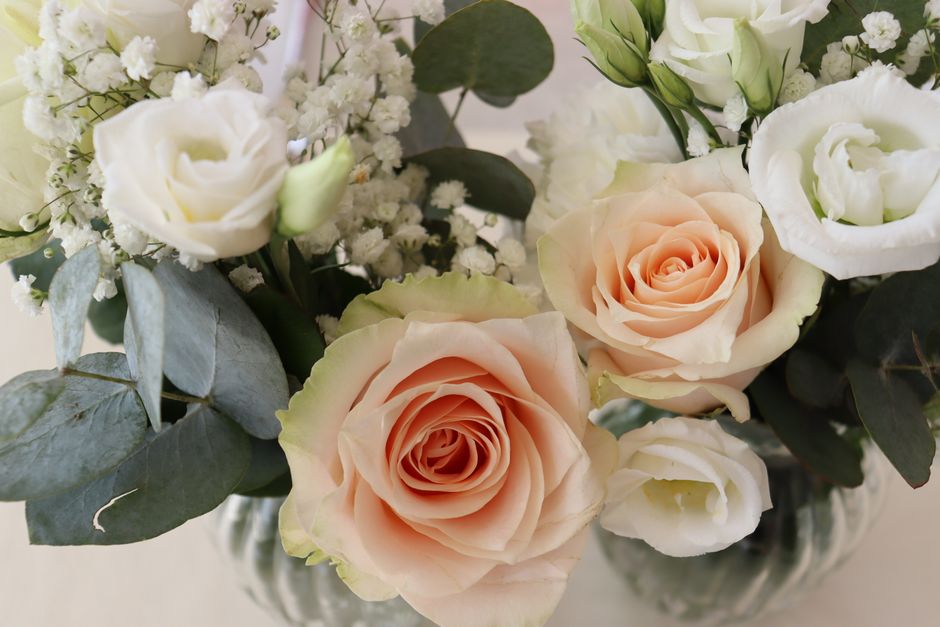
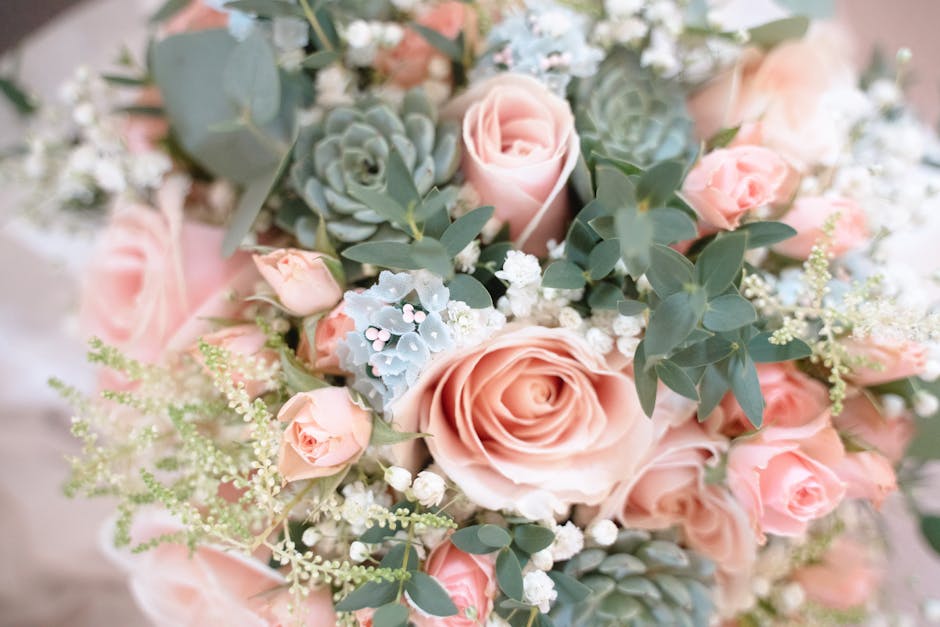
Plan: The florist proposes a soft palette built around white, blush, and gentle green tones. The bridal bouquet is made to feel full but not heavy. Ceremony flowers are placed where guests will naturally look, and table arrangements are kept low enough for conversation. The florist also suggests reusing the ceremony florals later so the reception gains more value from the same pieces.
After: The room feels calmer and more intentional. The ceremony setup frames the couple without blocking movement. The bouquet reads beautifully in photos. The tables have shape without clutter. Guests notice the flowers, but they do not overwhelm the day. That is often the sign of good work. You feel the effect, even if you cannot always point to one single flower and say, "that's the trick."
In a case study like this, the key success is not dramatic excess. It is control. The florist made the room look like it belonged to the wedding, and that is harder than it sounds. A few well-judged pieces can do more than a dozen scattered arrangements. Small detail, big difference.
Practical Checklist
Use this checklist before you book or brief a wedding florist for Lampton Park.
- Have you shared photos of the venue and not just inspiration images?
- Do you know which flower elements matter most to you?
- Have you agreed the colour palette and general mood?
- Is there a clear budget split between bridal, ceremony, and reception flowers?
- Have you asked about setup, delivery, and collection?
- Do you know whether ceremony flowers can be reused later?
- Have you checked any venue rules about access or installations?
- Are the flowers suitable for the season and likely room temperature?
- Do you understand what is included in the quote?
- Have you reviewed care instructions for bouquets and arrangements?
And one more, because it really helps: have you asked the florist what they would do differently if they were designing for your venue tomorrow? That one question often reveals whether they are thinking practically or just describing pretty things.
Conclusion
A Lampton Park wedding florist case study before and after is most valuable when it shows real decision-making. Not just flowers before, flowers after, done. The best examples explain how a space was improved, what design choices mattered, and why the finished look felt right for the couple and the venue.
If you are planning your own wedding flowers, focus on clarity, fit, and practicality first. The right florist will help you choose a design that suits the room, the schedule, and the feeling you want guests to have when they walk in. That is the heart of it, really. Not perfection. Just a thoughtful, beautiful day that feels like yours.
If you are ready to explore your options further, start by looking at the wedding collections and then ask the questions that matter most to your venue, your budget, and your style. The good news? Once the plan is clear, the rest gets much easier.
Get a free quote today and see how much you can save.
Frequently Asked Questions
What does a Lampton Park wedding florist case study before and after actually show?
It shows the starting condition of the venue or floral setup, the florist's design approach, and the finished result. That helps you judge style, practicality, and transformation.
Why is before-and-after content useful when choosing a wedding florist?
Because it reveals more than a polished portfolio image. You can see how the florist solved the space, handled scale, and created a coherent final look.
Can a florist make a plain venue look elegant without huge spending?
Yes, often they can. Thoughtful placement, a controlled palette, and one or two strong focal points usually make more difference than simply adding more flowers.
What should I ask a florist after seeing a case study?
Ask what the client brief was, what flowers were used, how the setup was handled, and whether any parts of the design were reused later in the day.
How far in advance should I book wedding flowers for a local wedding?
It depends on the season and complexity, but earlier is generally better. Popular dates and fuller floral designs usually need more lead time.
What if my venue has a very short setup window?
Then you need a florist who can plan efficiently and prioritise the most visible areas. Quick setup is perfectly manageable, but it must be designed for from the start.
Are wedding flowers usually reusable between the ceremony and reception?
Often, yes. Ceremony pieces can sometimes be moved to the reception space if the florist plans for that in advance.
What's the difference between a bouquet-focused wedding and a full floral styling package?
A bouquet-focused approach centres on personal flowers only, while a full styling package includes more of the venue, such as tables, ceremony areas, and other focal points.
How do I know if the florist's style matches mine?
Look at the structure, colour balance, and scale in their examples. If the arrangements feel too stiff, too loose, or too busy compared with your taste, that matters more than the flower names.
Should I choose seasonal flowers for a wedding in Lampton Park?
Seasonal flowers often offer better value, better freshness, and a more natural look. They are not the only option, but they are often a smart one.
What mistakes should I avoid when planning wedding flowers?
Avoid overfilling the venue, ignoring practical setup issues, and choosing a design that looks lovely online but doesn't work well in the actual room.
Can I use the same florist for wedding flowers and other special occasions later?
Yes, if you like the service and style. Many couples start with a wedding booking and later use the same florist for birthdays, anniversaries, or gifts.
Sometimes the best sign of a good florist is simple: the flowers make the day feel calmer, warmer, and more like the couple. And honestly, that's what you want most.


