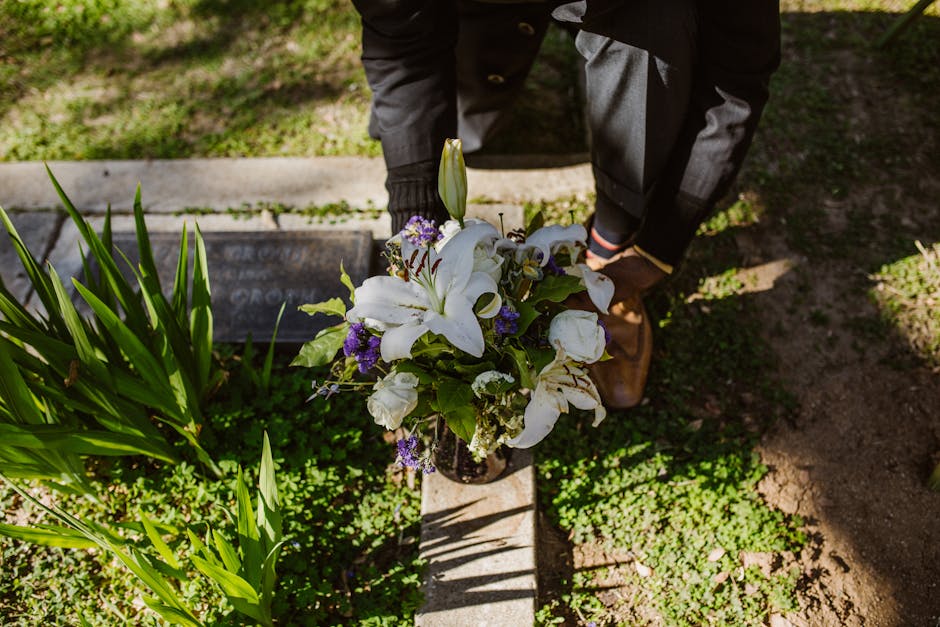
Posted on 22/10/2026
Hounslow West Funeral Flowers: What to Know About Cemetery Rules
Choosing funeral flowers is never just about colour or style. In Hounslow West, it often means making a decision at a time when emotions are already heavy, the clock feels strange, and small details suddenly matter a great deal. Hounslow West funeral flowers what to know about cemetery rules is a practical question with a very human edge: what can you send, where can it go, and how do you make sure your tribute is respectful as well as suitable?
This guide walks through the essentials in plain English. You will find what cemetery rules usually cover, how to choose arrangements that are likely to be accepted, what to ask before ordering, and how to avoid the little mistakes that can cause stress on the day. Truth be told, a bit of clarity goes a long way here.
Whether you are arranging flowers for a burial service, a graveside farewell, or a later memorial visit, the aim is the same: to create something thoughtful that fits the setting. And yes, there are some practical wrinkles worth knowing in advance.
Table of Contents
- Why cemetery rules matter for funeral flowers
- How the process usually works
- Key benefits and practical advantages
- Who this is for and when it makes sense
- Step-by-step guidance
- Expert tips for better results
- Common mistakes to avoid
- Tools, resources and recommendations
- Law, compliance, standards, or best practice
- Options, methods, or comparison table
- Case study or real-world example
- Practical checklist
- Conclusion
- Frequently asked questions
Why Hounslow West funeral flowers what to know about cemetery rules Matters
Cemetery rules matter because funeral flowers are not handled the same way everywhere. One cemetery may welcome wreaths, sprays, and small posies without issue. Another may have limits on size, placement, containers, or materials. That can sound fussy, but in practice it helps keep graves safe, tidy, and manageable for staff and visitors.
For families, the big risk is simple: ordering something beautiful that cannot be placed where you expected. Imagine arriving for a graveside service and finding that a large arrangement does not fit the space, or that loose items are not permitted on the plot. It is upsetting, and entirely avoidable with a little checking.
There is also the emotional side. Flowers carry meaning. White lilies may signal peace, roses may express love, and a wreath can feel more traditional than a hand-tied bouquet. When cemetery rules are clear, you can focus on the message of the flowers rather than worrying about practical barriers.
In our experience, the families who feel most settled are the ones who ask a few direct questions early: Where will the flowers go? How long can they remain there? Are artificial flowers allowed? Do they need to be in a certain container? Those are not small details. They are the details.
Practical takeaway: Before choosing a funeral arrangement, confirm what the cemetery allows, where the tribute will be displayed, and who is responsible for placing it on the day.
How Hounslow West funeral flowers what to know about cemetery rules Works
At a basic level, the process is straightforward. You choose the tribute, check cemetery guidance, arrange delivery or collection, and make sure the flowers arrive in the right form and at the right time. The tricky part is that cemeteries often have their own preferences, and those can affect the type of arrangement you order.
For example, a service spray is often chosen for the coffin or casket, while a wreath may be better for a graveside tribute. A small posy or basket can be easier to place near a headstone or memorial area. If the cemetery does not allow certain items to rest directly on the grave, a florist may suggest a design that sits neatly in a container or on a stand.
The local context matters too. In busy parts of London, timing is often tight. Funeral services may have limited access windows, parking can be awkward, and there may be more than one family attending the same burial area. So the arrangement should be both respectful and practical. Pretty, yes. But practical too.
A good florist will normally help you think through:
- the service type: burial, cremation, graveside, or memorial
- the preferred shape: wreath, spray, posy, basket, heart, cross, or casket spray
- the size of the tribute and where it will sit
- whether flowers need to travel safely over a longer route
- the wording on any ribbon or funeral card
If you are ordering online, it helps to use a florist page that clearly focuses on sympathy and remembrance flowers, such as funeral flowers in Hounslow TW3, or browse broader tribute options like funeral flower arrangements and sympathy flowers. That gives you more room to match the tribute to the cemetery setting.
Key Benefits and Practical Advantages
Knowing the cemetery rules before ordering flowers saves time, money, and a fair amount of emotional energy. And let's face it, nobody needs another avoidable headache during a funeral week.
- Less risk of rejection or relocation: A suitable arrangement is more likely to be accepted and placed without issue.
- Better visual presentation: Flowers that suit the site usually look calmer and more balanced in situ.
- Clearer budgeting: You avoid paying for a design that is too large or too elaborate for the cemetery.
- Better etiquette: The tribute is more likely to reflect the customs of the family and the venue.
- Smoother coordination: Funeral directors, florists, and family members can work from the same plan.
There is another advantage people sometimes overlook: peace of mind. When you know the arrangement is suitable, you can focus on the service itself. That is worth a lot.
A small but useful point: if several people are sending flowers, a cemetery-friendly arrangement helps avoid overcrowding near the grave. A neat line of tributes often looks more dignified than a jumble of oversized bouquets that have nowhere to rest. Beautiful, but a bit chaotic? Not ideal.
For families who want more choice without feeling overwhelmed, a florist's wider selection can be useful. You may find options across styles and budgets through pages like flower delivery in Hounslow TW3 or a wider Hounslow florist service when planning more than one tribute.
Who This Is For and When It Makes Sense
This topic is most relevant for anyone arranging flowers for a burial, cremation service with floral display rules, graveside memorial, or cemetery visit in Hounslow West and nearby areas. It is especially useful if you are:
- the main organiser for a funeral
- a family member choosing the tribute shape and wording
- a friend sending flowers to the cemetery or service venue
- a funeral director coordinating multiple deliveries
- someone planning a memorial tribute after the service
It also makes sense if the family has specific cultural or religious preferences. Some traditions lean toward particular colours, symbols, or forms, while others prefer modest, understated designs. Cemetery rules can interact with those preferences, so it is best to check rather than assume.
One small real-world example: a relative may want a large casket spray, while the cemetery or memorial section only allows a modest grave-side tribute after burial. In that case, a florist can suggest a smaller wreath or a basket arrangement that still feels personal. No drama, just a better fit.
This is the sort of planning that feels dull until it suddenly becomes very important. Then it is everything.
Step-by-Step Guidance
Here is a practical way to handle funeral flowers for a cemetery service without getting lost in the details.
1. Confirm the service type and location
Start by checking whether the tribute is for a burial, a cremation service, a memorial, or a later graveside visit. The setting changes what is appropriate. A church service, crematorium chapel, and cemetery plot can each have different expectations.
2. Ask what the cemetery allows
Before you order, ask about size limits, placement rules, and any restrictions on materials. Some cemeteries prefer biodegradable materials or have rules about what may be left at the grave for long periods. Others may be more flexible but still have practical limits.
3. Choose the right style of tribute
If the flowers are for the coffin or casket, a spray is often the most suitable format. If they are going directly to the grave, a wreath, basket, posy, or sheaf may be easier to place. If you want something personal, a letter tribute or named tribute can be meaningful, provided it fits the space.
4. Pick colours and flowers with purpose
White is often chosen for peace and remembrance. Pink can feel gentle and affectionate. Red can express deep love. Mixed colours work well if the family wants something more uplifting. The choice should feel sincere, not showy.
5. Confirm wording and card details
Keep the message short if you are unsure. Names, relationships, and a few heartfelt words are usually enough. For example: "With loving memories," "Forever in our hearts," or "Rest peacefully." Short messages are often strongest anyway.
6. Arrange delivery timing carefully
Funeral flowers should arrive when they can be received, placed, and checked properly. If the cemetery has access rules or the service is early in the day, timing matters more than people realise. A missed slot can create unnecessary stress.
7. Check after the service if needed
If flowers are meant to stay at a grave, ask whether they should be removed later or whether they can remain for a period. That avoids awkwardness for the family or cemetery staff later on.
Here is a simple sequence that works well in practice:
- Confirm the venue and service time.
- Check cemetery flower rules.
- Choose the right tribute style.
- Write the card message.
- Arrange delivery with a reliable florist.
- Confirm placement and any collection expectations.
Expert Tips for Better Results
Small decisions make a big difference here. A thoughtful flower choice is not just about taste; it is about fit.
- Keep the scale sensible: In a compact grave plot, a neat wreath or basket often looks more elegant than a huge arrangement.
- Choose sturdier flowers for outdoor placement: Some blooms hold up better outside, especially if the day is windy or warm.
- Use a florist who understands sympathy work: Funeral floristry is its own thing. It is not just "nice flowers, but sad."
- Match the tribute to the relationship: Close family often choose larger or more personalised tributes; friends may prefer something simpler.
- Be careful with very scented flowers: In enclosed chapel spaces, strong fragrance can be overpowering for some people.
A helpful rule of thumb: if you are not sure, choose understated over extravagant. A clean, elegant design usually feels more respectful in cemetery settings. That is especially true when several tributes will be placed together.
If you are trying to keep the order straightforward, a florist page with easy browsing can help. You might look through sprays, wreaths, or baskets and posies to compare shapes before making a decision.
And one more honest tip: do not leave ribbon wording to the last minute. It always feels like a tiny job until you are trying to think of the right words in the middle of everything else.

Common Mistakes to Avoid
A few repeated mistakes come up again and again. None are disastrous, but each one can add avoidable pressure.
- Not checking cemetery rules first: This is the big one. It can affect everything else.
- Ordering the wrong size: Oversized tributes can be difficult to place or may look out of place.
- Assuming all flowers are equally suitable: Some flowers and designs work better outdoors than others.
- Leaving delivery too late: Funeral timing is not forgiving. Late flowers are a real problem.
- Using very long messages: On ribbons or cards, less is often more.
- Forgetting to coordinate with the funeral director: They may have important practical guidance about where tributes should go.
Another mistake is choosing purely by image. A beautiful design online may still be wrong for the grave space, weather, or placement rules. Nice picture. Wrong job. Happens all the time.
If the family is divided on style, a moderate middle ground usually works best. A classic wreath or a sympathy spray is often easier to agree on than something highly decorative or highly personal.
Tools, Resources and Recommendations
You do not need specialist equipment to make good decisions, but a few practical tools help.
- A phone call or message to the cemetery office: The fastest way to confirm local expectations.
- The funeral director's guidance: They often know what is realistic for the venue and timing.
- A trusted florist catalogue: This makes it easier to compare sizes, colours, and tribute types.
- A short note with names and relationship details: Useful when choosing card wording.
- Delivery instructions: Helpful if the tribute needs to reach a specific entrance, chapel, or burial plot.
On the florist side, it helps to work with pages that focus on sympathy and memorial designs rather than general gifting alone. Relevant collections can include sympathy florist choice options, compassionate wreaths, and more formal remembrance pieces like heartfelt condolence wreaths.
If budget is part of the decision, that is perfectly normal. A respectful tribute does not need to be enormous. A thoughtful design from a straightforward range can still feel deeply appropriate, and in many cases it is the better choice.
Law, Compliance, Standards, or Best Practice
For funeral flowers, the most useful thing to understand is that cemetery guidance, funeral director instructions, and local site practice matter more than one universal rule. Across the UK, cemeteries may set their own expectations around tribute size, placement, containers, and removal. So while there are general norms, the exact rule should always be checked locally.
Best practice usually includes the following:
- respect the cemetery's placement and maintenance rules
- avoid blocking pathways, headstones, or maintenance access
- use materials that are suitable for the burial ground environment
- follow any instructions about when tributes should be removed
- coordinate with the funeral director where there is any doubt
It is also sensible to think about seasonal conditions. Wet weather, heat, and wind can all affect how flowers behave outdoors. What looks perfect in a shop may need different support once it is at the graveside. Slightly annoying, yes, but true.
If there is any uncertainty about religious or cultural symbolism, ask rather than guess. That is always the respectful move. No one wants to accidentally send a tribute that feels off-message.
Options, Methods, or Comparison Table
Different funeral flower types suit different cemetery situations. Here is a simple comparison to help narrow things down.
| Flower type | Best for | Practical strengths | Watch out for |
|---|---|---|---|
| Wreath | Graveside tribute, memorial display | Traditional, balanced, easy to place | Can be too large for smaller plots |
| Spray | Coffin or casket tribute | Formal, elegant, common in funeral services | Not always ideal for direct grave placement |
| Posy or basket | Smaller cemetery plots, family tributes | Neat, flexible, easy to handle | May feel too simple for close family if chosen too casually |
| Sheaf | Simple, natural tribute | Lightweight, understated, easy to carry | Less structured, so not for every setting |
| Letter tribute | Personal memorial message | Highly personal and visually striking | Needs more space and may not suit every cemetery rule |
In practice, the best option depends on the venue and relationship to the person who has died. A close family tribute may call for something more formal. A friend's tribute may be smaller and simpler. Both can be equally sincere.
Case Study or Real-World Example
Here is a realistic example based on the kind of situation many families face.
A family arranging a burial near Hounslow West wanted something elegant but not too large. At first, they thought a big floral heart would be the right choice. After checking the cemetery guidance, they found the grave space was compact and there were practical limits on what could be placed directly on the plot. They changed course and chose a white-and-green wreath with a simple ribbon message instead.
The result was calmer, neater, and easier to manage on the day. The florist was able to deliver it alongside a smaller family tribute, and the funeral director confirmed the placement without any last-minute adjustments. The family later said the arrangement felt more in keeping with the setting than their original choice would have done.
Nothing dramatic happened. That is the point. A few careful checks prevented a small but stressful problem. These things often go unnoticed when they go right, which is a bit unfair, but there it is.
A similar outcome often happens when families choose between a white roses service arrangement and a larger symbolic design. The simpler option is not always the less meaningful one.
Practical Checklist
Use this checklist before placing your order.
- Have I confirmed the service date, time, and location?
- Do I know whether the tribute is for the coffin, graveside, or memorial?
- Have I checked cemetery rules about size, placement, and materials?
- Is the chosen design suitable for outdoor or indoor display?
- Have I selected colours and flowers that feel appropriate?
- Is the message for the ribbon or card short, clear, and heartfelt?
- Have I confirmed delivery timing with the florist?
- Do the funeral director or family know what is being sent?
- Have I checked whether the flowers should be collected or left in place?
- Does the arrangement reflect the person and the family's wishes?
If you can tick those off, you are usually in a good place. Not perfect, perhaps, but good. And that is often enough during a difficult week.
Conclusion
Hounslow West funeral flowers what to know about cemetery rules comes down to one simple idea: the most meaningful tribute is the one that suits the place as well as the person. Cemetery rules are not there to make things harder. They are there to keep the site respectful, tidy, and workable for everyone involved.
Once you know what is allowed, the rest becomes much easier. You can choose a wreath, spray, posy, or bespoke tribute with confidence, rather than guessing and hoping for the best. That confidence matters more than people realise, especially when emotions are already close to the surface.
So take the time to ask the right questions, keep the design appropriate, and lean on experienced florist guidance where needed. A well-chosen tribute does not need to be complicated to be beautiful.
Get a free quote today and see how much you can save.
If you are ready to order, start with a trusted local range of sympathy flowers or browse tributes to find a fitting design for the service and cemetery setting.
Frequently Asked Questions
Can I place any funeral flowers on a cemetery grave in Hounslow West?
Not always. Cemeteries can have their own rules about what can be placed on a grave, how large the tribute can be, and whether items must be in a container or laid flat. It is best to confirm first.
What type of funeral flowers are usually safest for cemetery placement?
Wreaths, small posies, baskets, and some sprays are usually practical choices, but the best option depends on the cemetery's guidance and the size of the plot. Neat, stable arrangements tend to work best.
Are artificial flowers allowed in cemeteries?
Sometimes yes, sometimes no. Some cemeteries allow artificial flowers only under certain conditions, while others prefer fresh flowers. Always check the local rule before ordering.
How far in advance should I order funeral flowers?
As early as you can, especially if the service is at a set time and the flowers need to be delivered to a cemetery or funeral director. Even a small delay can make the day more stressful than it needs to be.
Should funeral flowers be sent to the cemetery or the funeral home?
That depends on the service arrangements. If the flowers are for the coffin or chapel service, they may go to the funeral home or venue. If they are for graveside placement, the cemetery may be the right destination. Confirm with the organiser.
Can I send a large arrangement if I want to make a strong tribute?
You can, but larger is not always better. A very large tribute may be difficult to place or may not suit the cemetery space. A well-chosen, appropriately sized arrangement often feels more dignified.
What should I write on a funeral flower card?
Keep it short and sincere. A simple line such as "With love and deepest sympathy" or "Forever in our hearts" is often enough. If you are close to the person, a personal message is lovely too.
Do cemeteries usually allow flowers to stay on the grave?
Many do, but not always indefinitely. Some sites ask that tributes be removed after a period or when they begin to deteriorate. It is worth checking whether there is a time limit.
What if I am not sure which flower style to choose?
If in doubt, choose a classic option such as a wreath, sympathy spray, or basket arrangement. These are usually versatile and suitable for most cemetery settings, provided the size is right.
Are there budget-friendly funeral flower options that still look respectful?
Yes. A smaller wreath, posy, or simple florist-choice tribute can still look thoughtful and dignified. Respect does not depend on size or expense.
Can a florist help with cemetery rules?
A good florist can help you choose a suitable design and may also guide you on practical points such as size, delivery, and wording. They should not replace cemetery instructions, but they can make the process much easier.
What is the most common mistake people make with funeral flowers?
The most common mistake is not checking the cemetery guidance first. That can lead to a tribute being too large, unsuitable, or difficult to place. A quick check saves a lot of trouble.
Is it okay to choose personalised funeral flowers?
Yes, as long as the cemetery rules allow the style and size. Personalised tributes can be very meaningful, especially for close family, but they should still fit the site and service.
What if the flowers need to be delivered early in the morning?
Arrange that in advance and confirm the delivery window carefully. Funeral days are time-sensitive, and early delivery is often better than leaving things to the last minute.